Month: June 2023
-
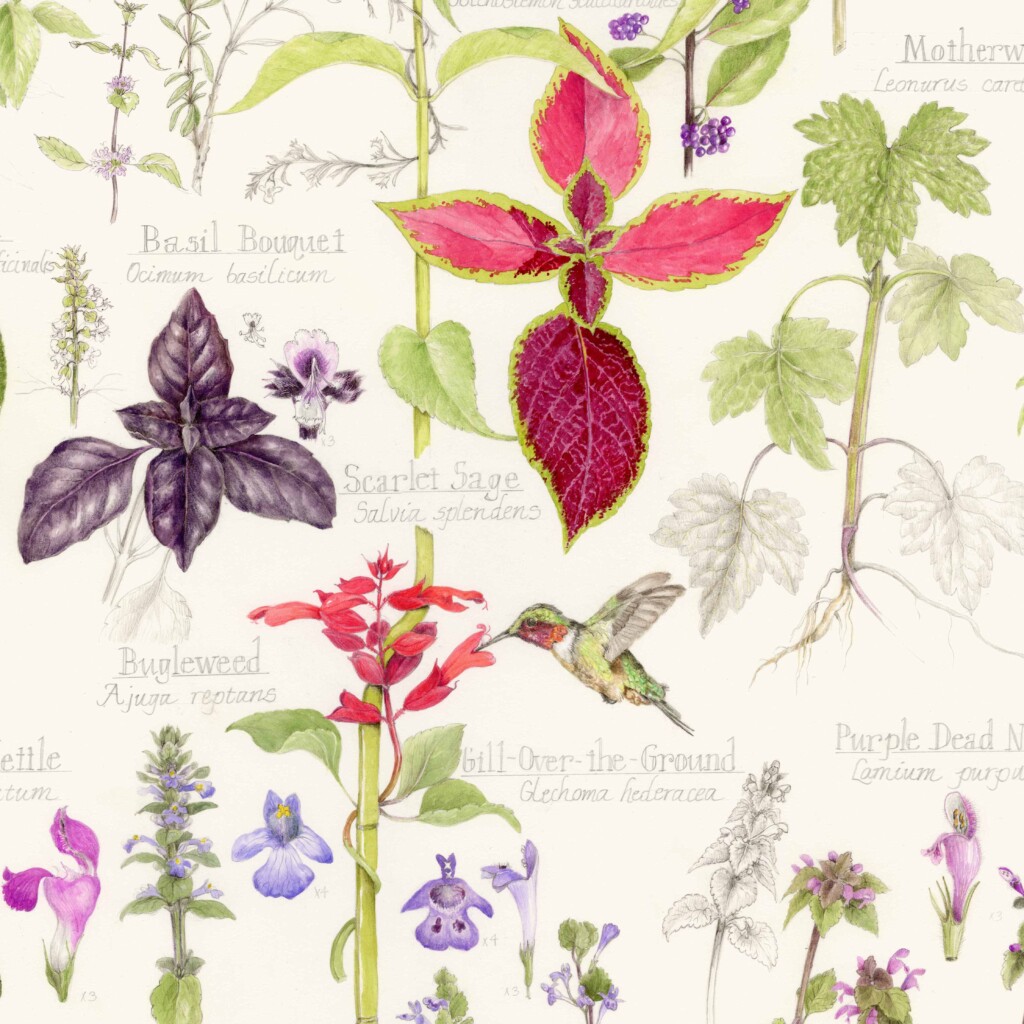
The Mint Family
The Mint Family Lamiaceae Fun Fact: Gill-over-the-Ground is a versatile, edible, and medicinal member of the mint family often used to support digestive health. Plants in the Mint Family share these traits: -Square stems –Opposite leaves –Usually aromatic –“Mouthy” flowers with 5 petals Learn more about the Mint Family Mint Family Portrait by Wendy Hollender (Buy … Continued
-
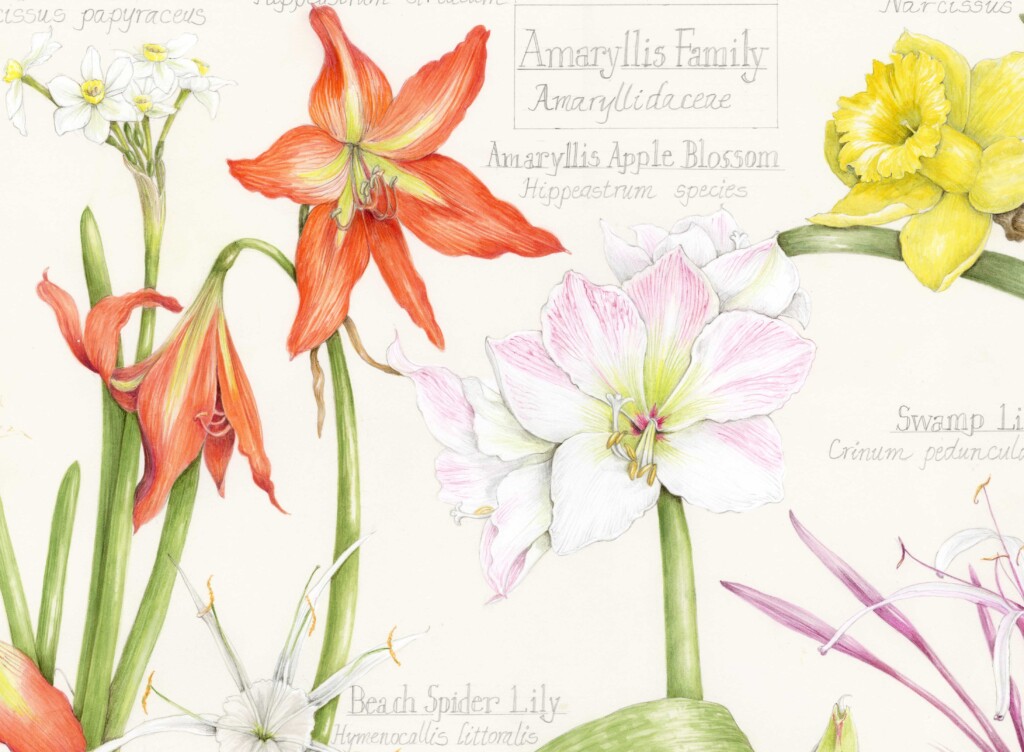
The Amaryllis Family
The Amaryllis Family Amaryllidaceae Fun Fact: Waxed, pre-potted amaryllis bulbs can bloom indoors without any water or soil. Plants in the Amaryllis Family share these traits: Flowers -Produced on scapes –6 tepals produced in 2 whorls –6 stamens Leaves -Pungent or not –Linear parallel veining Bulbs reform annually from the base of the old bulb … Continued
-
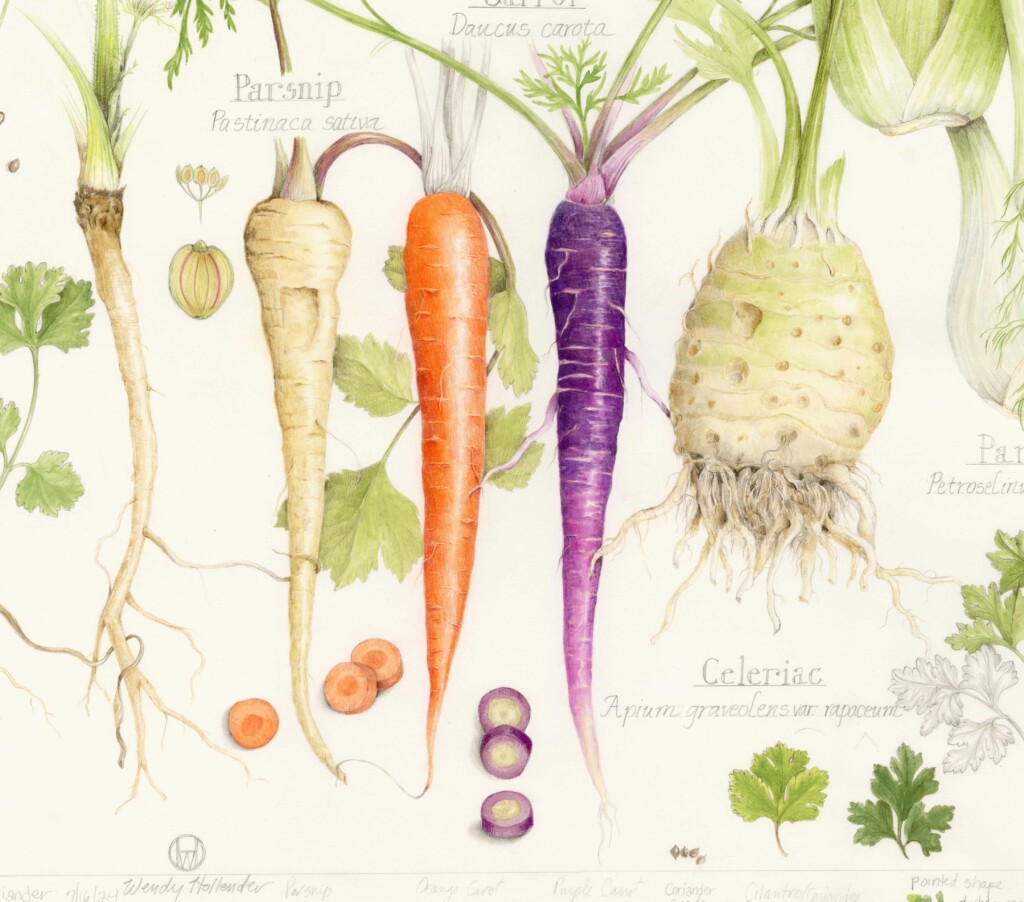
The Carrot Family
The Carrot Family Apiaceae Fun Fact: Before the 16th century, carrots were primarily purple, white, or yellow. Dutch farmers are credited with breeding orange varieties during the 17th century. Plants in the Carrot Family share these traits: -Compound Flower Umbels -5 sepals, 5 petals, usually bisexual –Usually hollow flower stalks -Pinnate leaves –Tap root –Aromatic … Continued
-
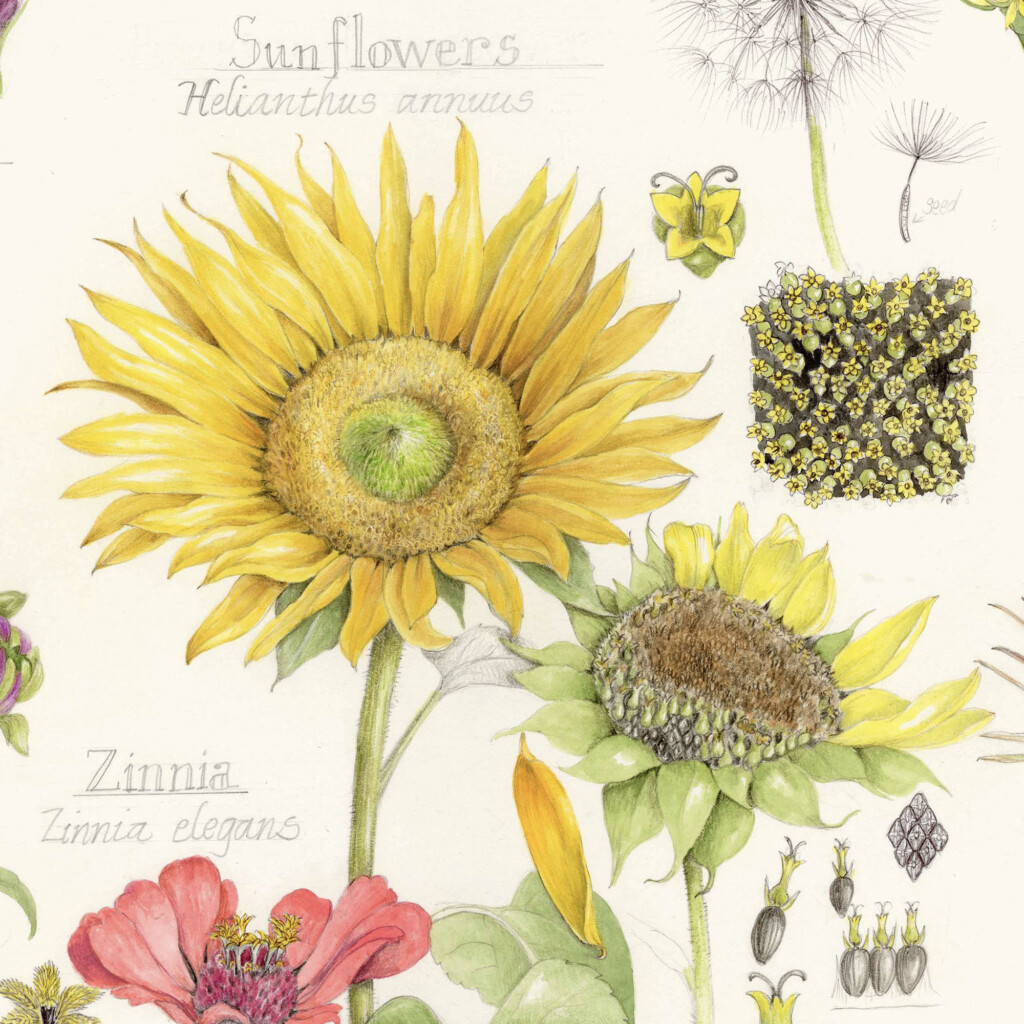
The Sunflower Family
The Sunflower Family Asteraceae Fun Fact: The Sunflower Family is the largest family of flowering plants with over 30,000 individual species. Plants in the Sunflower Family share these traits: -Composite Flowerheads (center disk female flowers, florets that develop into seeds) –Outer large petals, called ligulate or ray florets, that house male ray flowers often are … Continued
-
The Gourd Family
The Gourd Family Cucurbitaceae Fun Fact: Beyond food, dried gourds were essential for bowls, instruments, and water storage by ancient civilizations. They were used as currency in Haiti in the early 1800s, and the country’s currency is still called a “gourde.” Plants in the Gourd Family share these traits: -Vining plants with tendrils –Unisexual flowers … Continued

-
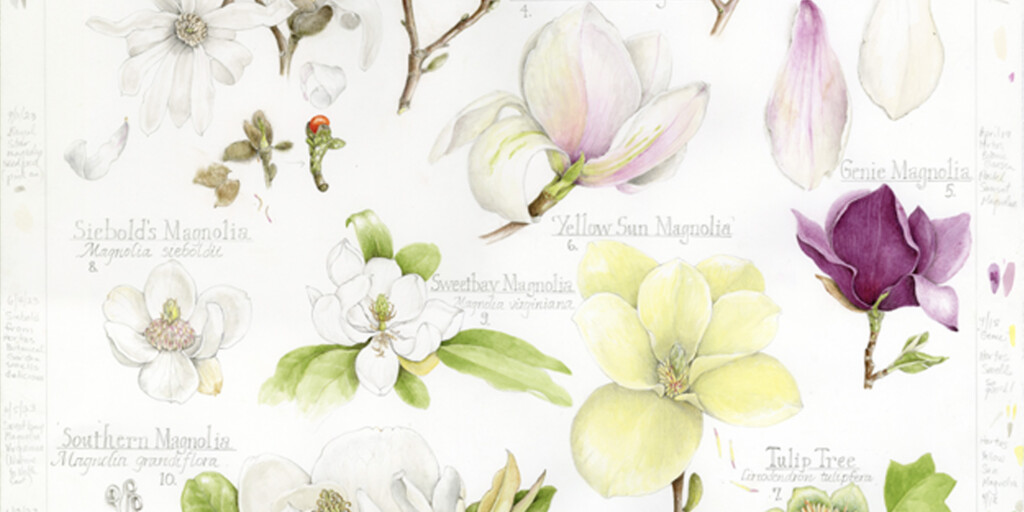
The Magnolia Family
The Magnolia Family Magnoliaceae Fun Fact: This majestic family is one of the oldest flowering plants on the planet! Magnolia trees grow so tall and straight that Indigenous people used them to craft canoes. Plants in the Magnolia Family share these traits: Flowers Petals and sepals look alike 3 sepals 6 petals or more … Continued
-
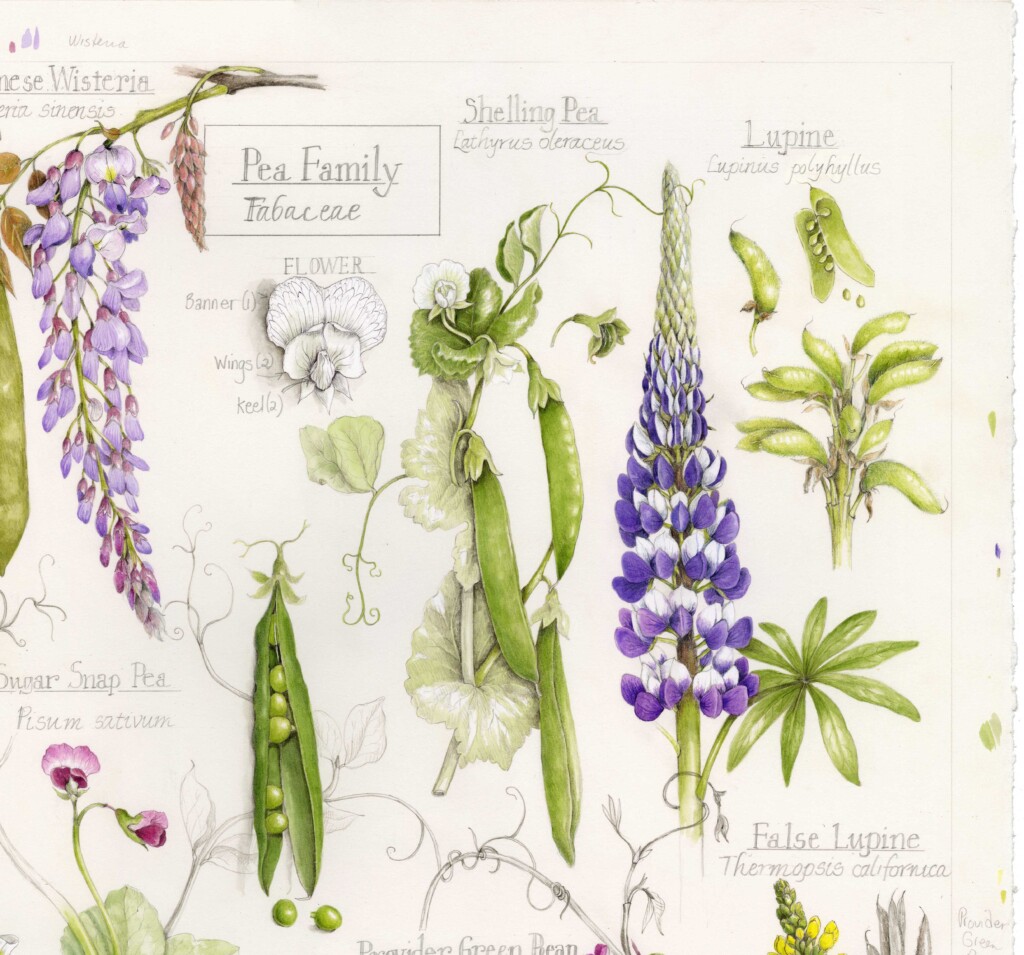
The Pea Family
The Pea Family Fabaceae Fun Fact: Peas are considered one of the oldest cultivated crops, with archaeological evidence of their domestication dating back to the late Neolithic period. Plants in the Pea Family share these traits: -Flowers have “Banner, wings, and keel” –Pea-like pods, often with pinnate leaves Learn more about the Pea Family Pea … Continued
-
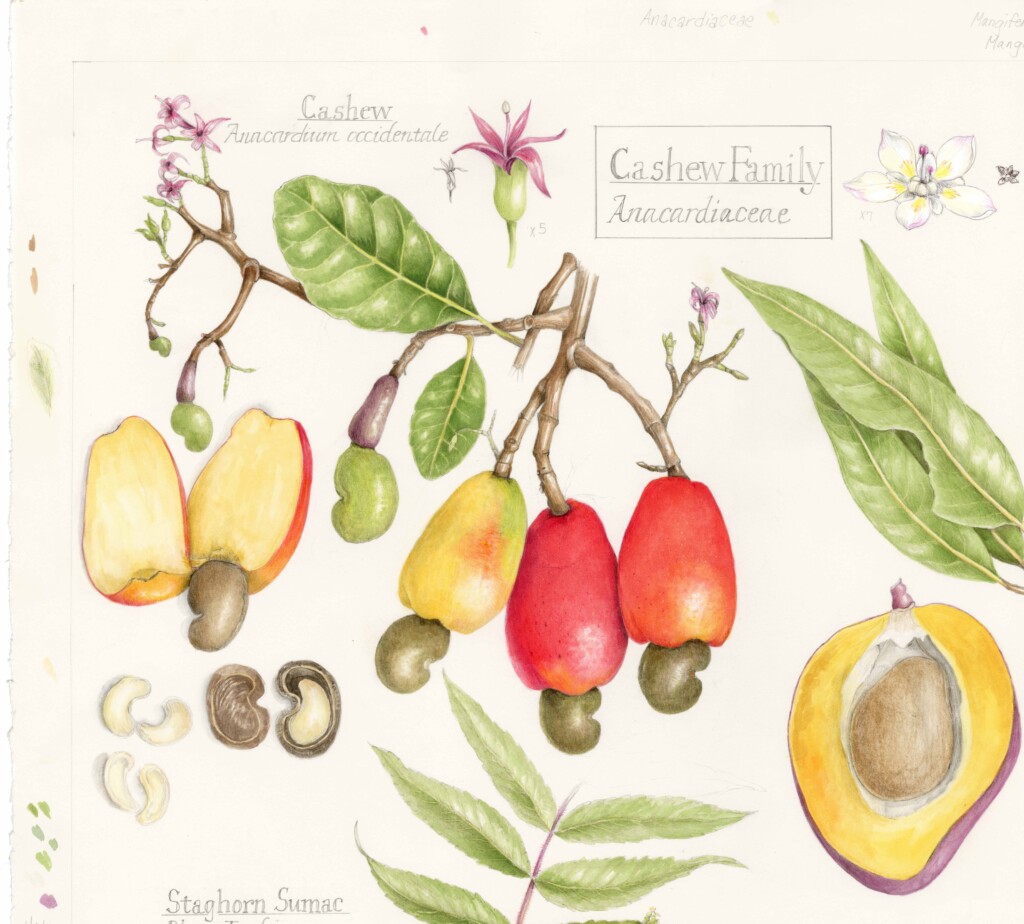
The Cashew Family
The Cashew Family Anacardiaceae Fun Fact: Cashew shells are covered by urushiol, the same toxic oil found in poison ivy. Post-harvest, the cashews are always roasted, boiled, or steamed before the shells are removed. Plants in the Cashew Family share these traits: -Flowers often with 5 petals and sepals -Pinnate and alternate leaves -Irritant oils … Continued
-
The Onion Family
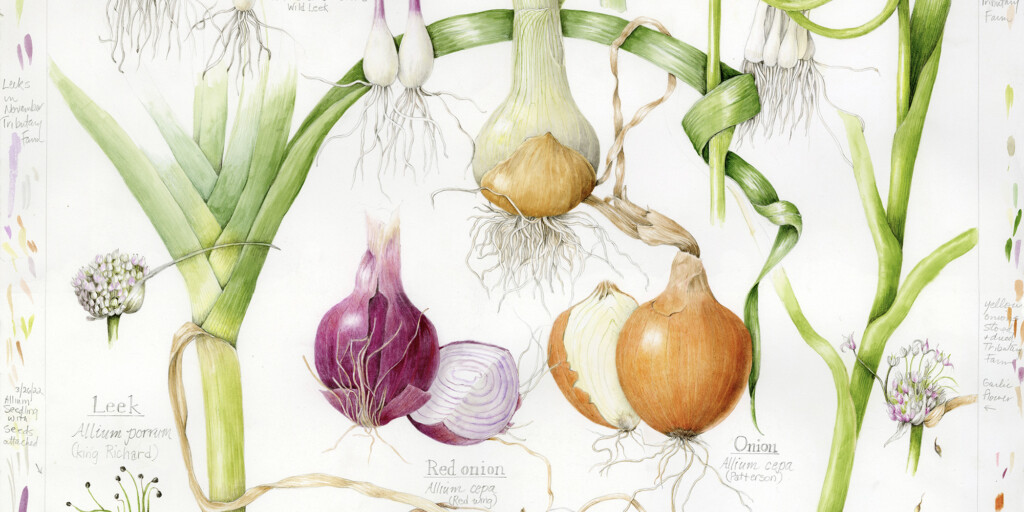
The Onion Family Alliaceae, sub family of Liliaceae Fun Fact: Some specialized giant onion varieties can weigh over 10 pounds. Plants in the Onion Family share these traits: Flowers Produced on scapes 6 tepals produced in 2 whorls 6 stamens Leaves Pungent Linear Bulbs reform annually from the base of the old bulb (most are … Continued
-
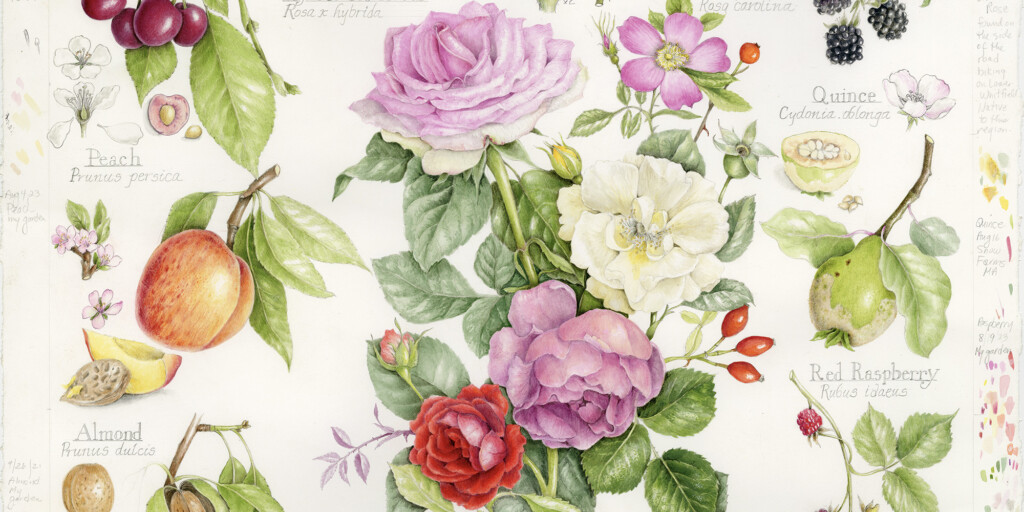
The Rose Family
The Rose Family Rosaceae Fun Fact: Roses possess significant medicinal properties, offering anti-inflammatory, antioxidant, antibacterial, and antidepressant effects derived from their petals, hips, and oil. For free tips on how to draw a rose, click here. Plants in the Rose Family share these traits: Flowers Separate petals in multiples of five … Continued