The Importance of Illustration: Why We Continue Creating
The aesthetic beauty of botanical illustration has fascinated and inspired people for centuries, but beyond its visual appeal, botanical drawings help identify and understand plants in a timeless manner.
“Botanical illustration serves as a connection between art and science and, in fact, is firmly planted in each discipline. As an addition to herbaria, it provides a detailed description of the species, whether as a pen and ink illustration or a richly colored watercolor, highlighting and magnifying hidden details and presenting them in an easily understood visual format. The illustrations give life and a three dimensional quality that contrasts and compliments the dried plant specimens found in herbaria.” —Tim Flynn, NTBG Herbarium Collections Manager
Brief History of Botanical Illustration
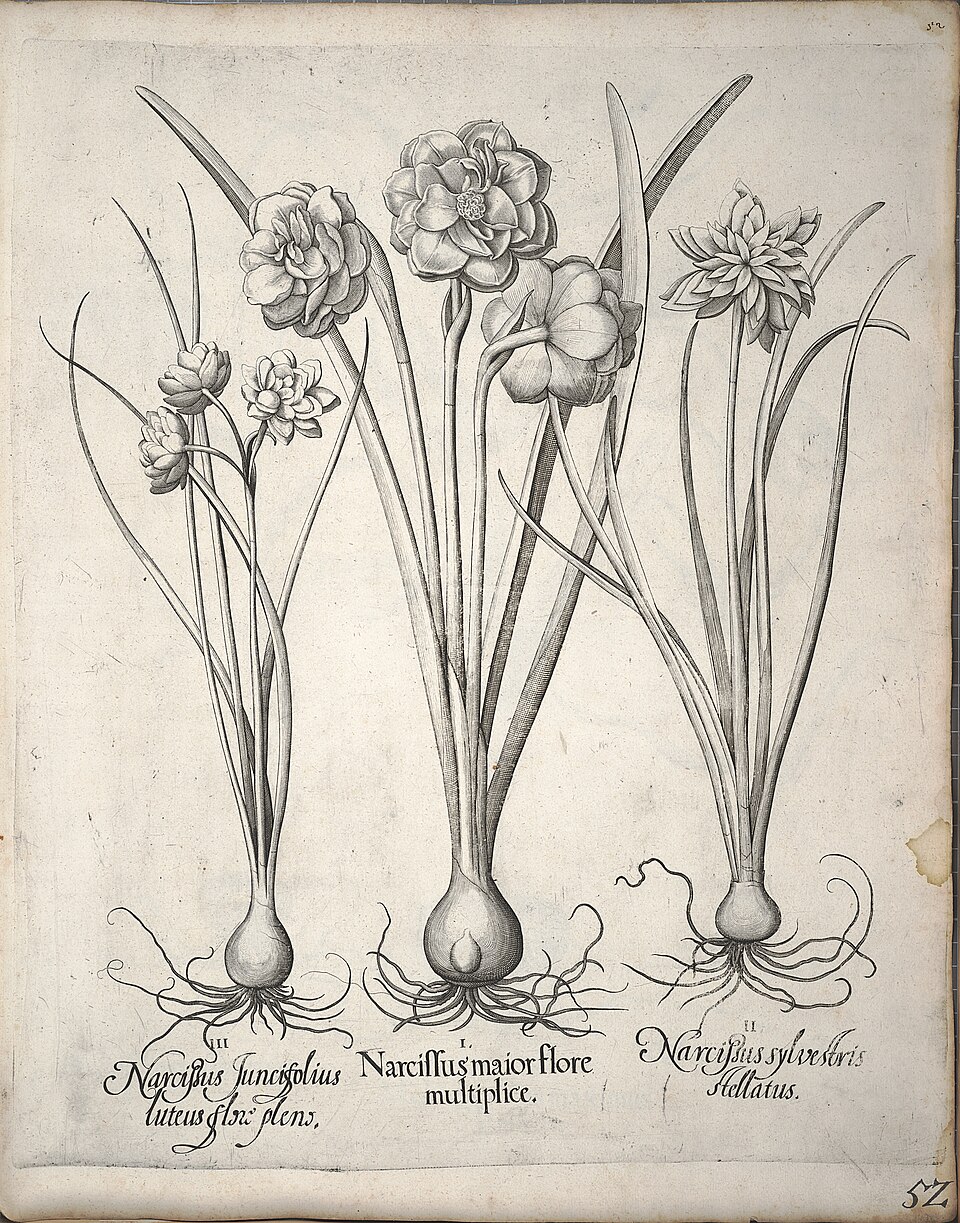
Helped Identify Plant Species (Before Photography)
“The original purpose of botanical illustration was to aid in plant identification for medicinal and culinary uses. Over the centuries, as the discipline developed, botanical illustration has proven itself invaluable in identifying newly discovered plants.
Learn more about the traditional history of botanical illustration here.
Carl Linnaeus, known as the father of modern taxonomy, and botanical illustrator Georg Dionysius Ehret, famously used botanical illustration to classify and describe the structure of plants.” —Wendy Hollender, Botanical Illustrator, Instructor, and Author
Learn more about the hidden history behind botanical illustration here.
Why the Scientific Study of Plants is Essential
“The scientific study of plants is essential for dealing with environmental changes, containing the spread of invasive plants, and saving endangered species, all issues addressed through botanical illustration. Although science has focused mostly on black and white pen and ink drawings, color can be used as well provided the artist capture a plant’s important structural elements.” —Wendy Hollender, Botanical Illustrator, Instructor, and Author
Like scientists gathering data, our observations could be useful to the future of humanity. It may not seem so important now, but imagine this, for example – oak trees start to die in your area. Your acorn drawings could be the only evidence left of the magnificence of those oaks. They could even become the key to preserving the whole ecosystem around them! Read more about how botanical artists can make a difference.
We often use terms like “botanical art” and “botanical illustration” interchangeably, but there are actually a few key differences, explained here.

Why We’re Attracted to Drawing Plants
“Botanical illustration attracts and compels us. A pretty flower is not just a pretty flower. It has a specific purpose: to attract a pollinator. A flower’s visual appeal comes from colorful markings, and its enticing scent lures the pollinator to the nectar within.
What I find most alluring about botanical art is its seductive quality — drawing me in, feeding my desire to linger inside the mysterious center of the flower, looking through its leaves to another flower like an insect fluttering from blossom to blossom. Imbued with beauty and color, the botanical illustration seduces and attracts.” —Wendy Hollender, Botanical Illustrator, Instructor, and Author
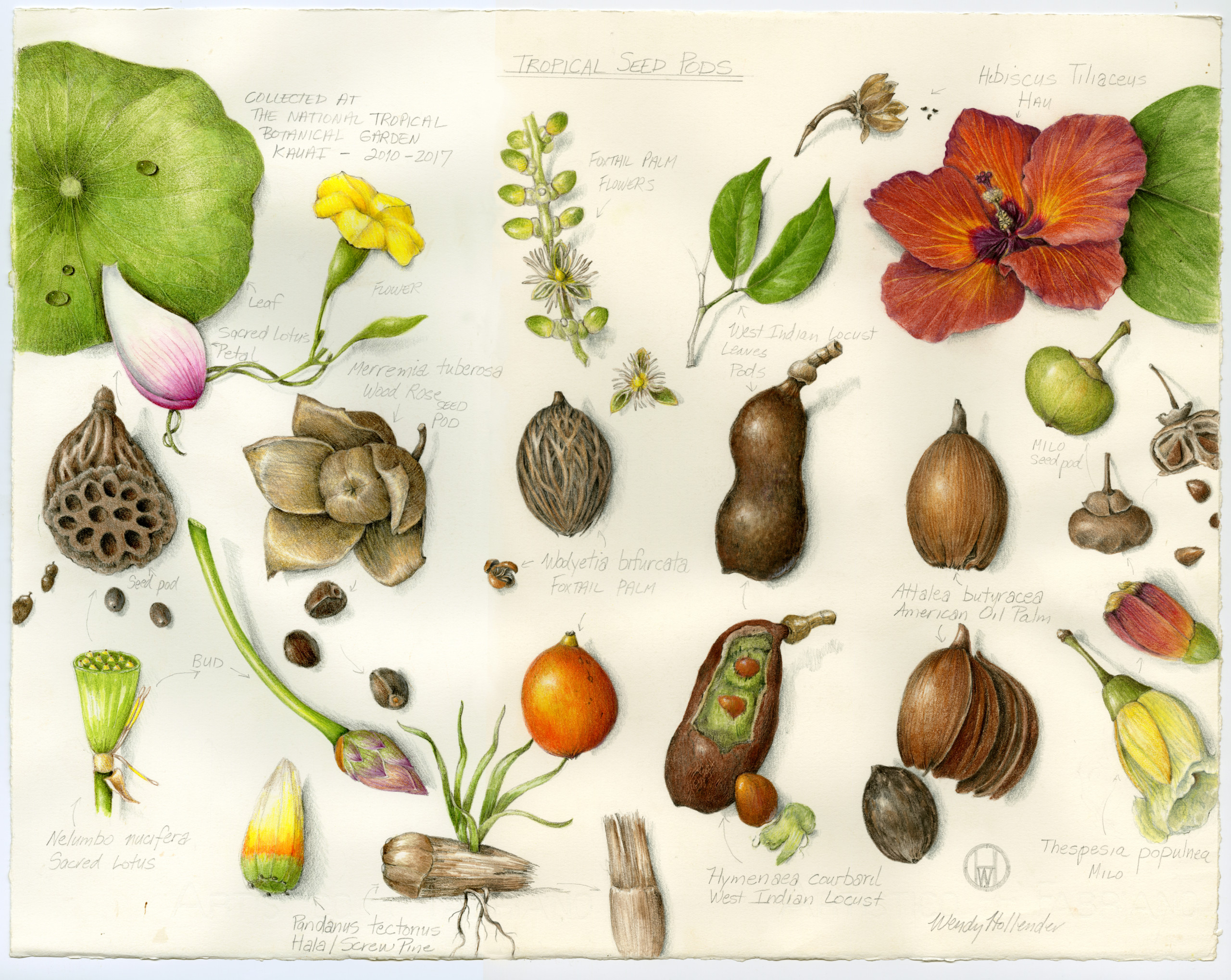
“Perhaps it is the combination of careful attention to detail, along with the arduous internal human process of transforming a species’ visual likeness and character through the filter of mind and soul. Meticulously stirred together with the artist’s love for nature, the image flows through hands, communicating the importance and beauty of an ancient creation only newly described.” —Ken Wood, NTBG Research Biologist
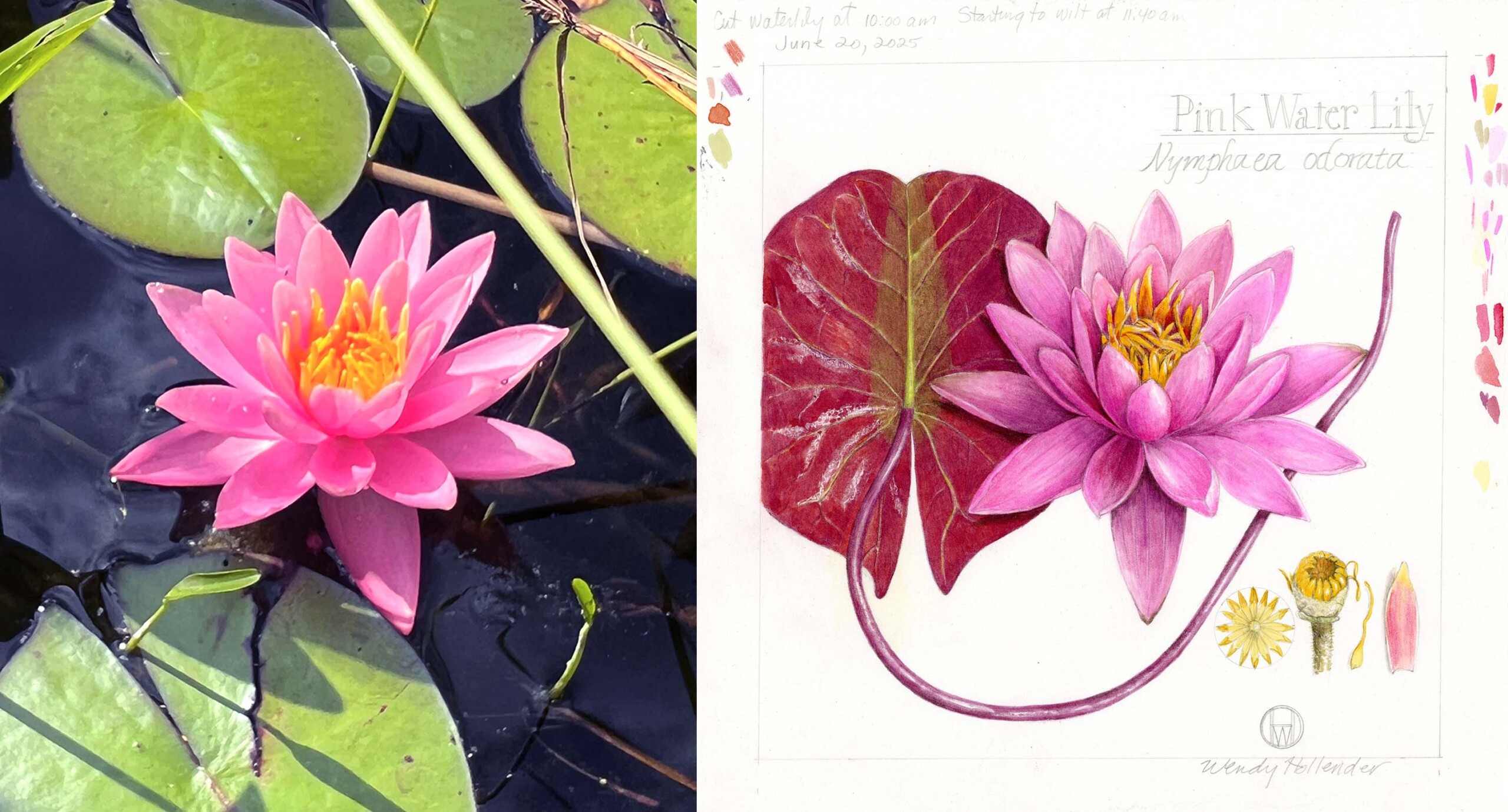
Why Choose Botanical Drawing Over Photography?
When the choice is between many hours of intense observational drawing and a few seconds of snapping pics, it may seem like photos would be the easiest, quickest option. However…
Botany Scientists work with Botanical Artists as Visual Translators to Preserve Plant Species with Accurate Illustrations
“Explained simply, botanical illustrators and their works serve the scientist. They depict what a botanist describes, acting as the proofreader for the scientific description. Digital photography, although increasingly used, cannot make judgements about the intricacies of portraying the plant parts a scientist may wish to emphasize and a camera cannot reconstruct a lifelike botanical specimen from dried, pressed material…
Historically, the illustration process follows the language of the scientist. Illustrators adapt media, presentation, and drawing styles to serve with current trends in scientific writing and to facilitate documentation of the scientific literature. However, the illustrator also has an eye for the aesthetics of botanical illustration, knowing that a drawing must capture the interest of the viewer to be a viable form of communication. Attention to accuracy is important, but excellence of style and technique used is also primary for an illustration to endure as a work of art and science.” —Alice Tangerini, Staff Illustrator at the Smithsonian Institution’s National Museum of Natural History, Department of Botany
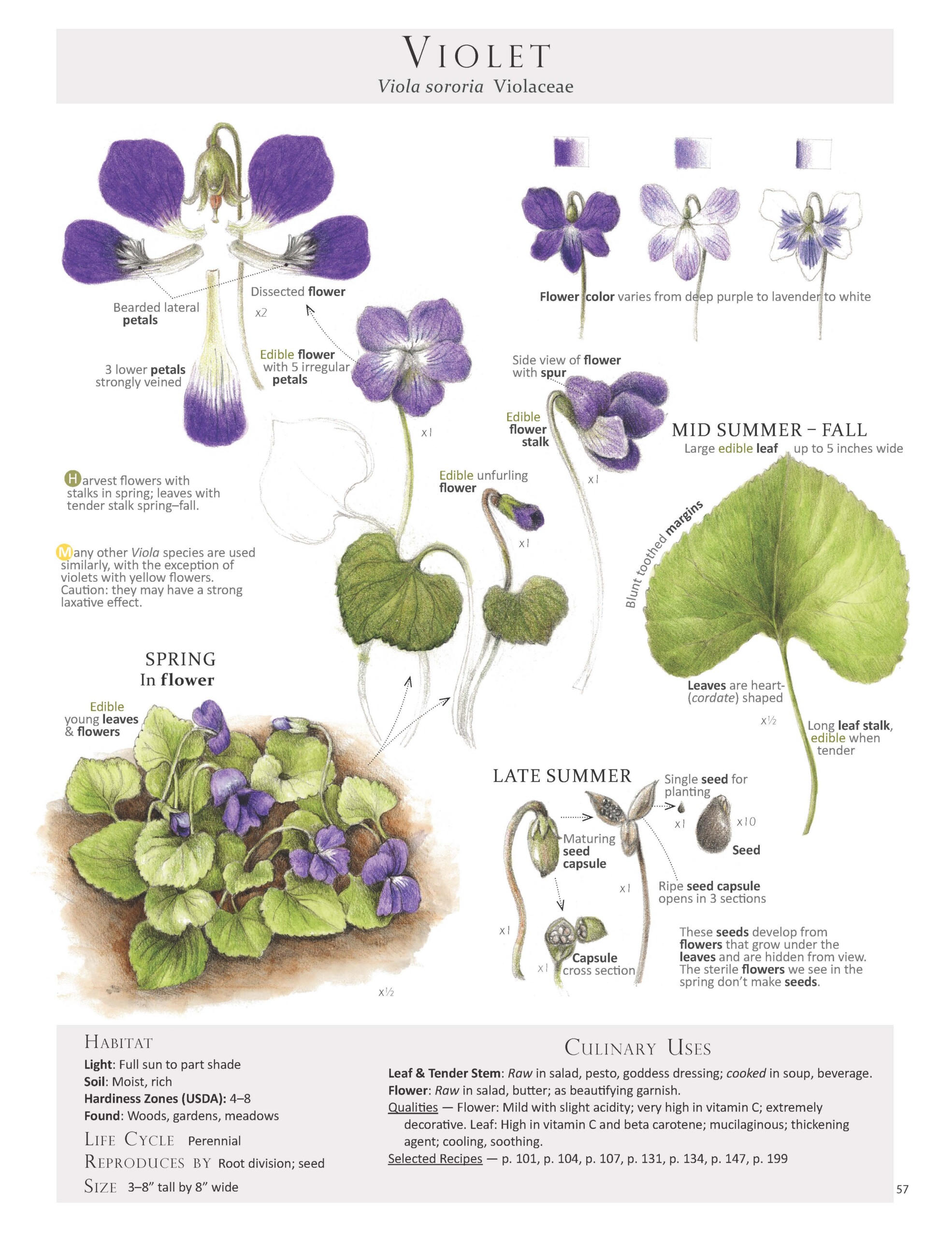
What are the advantages of botanical illustration when compared to photography?
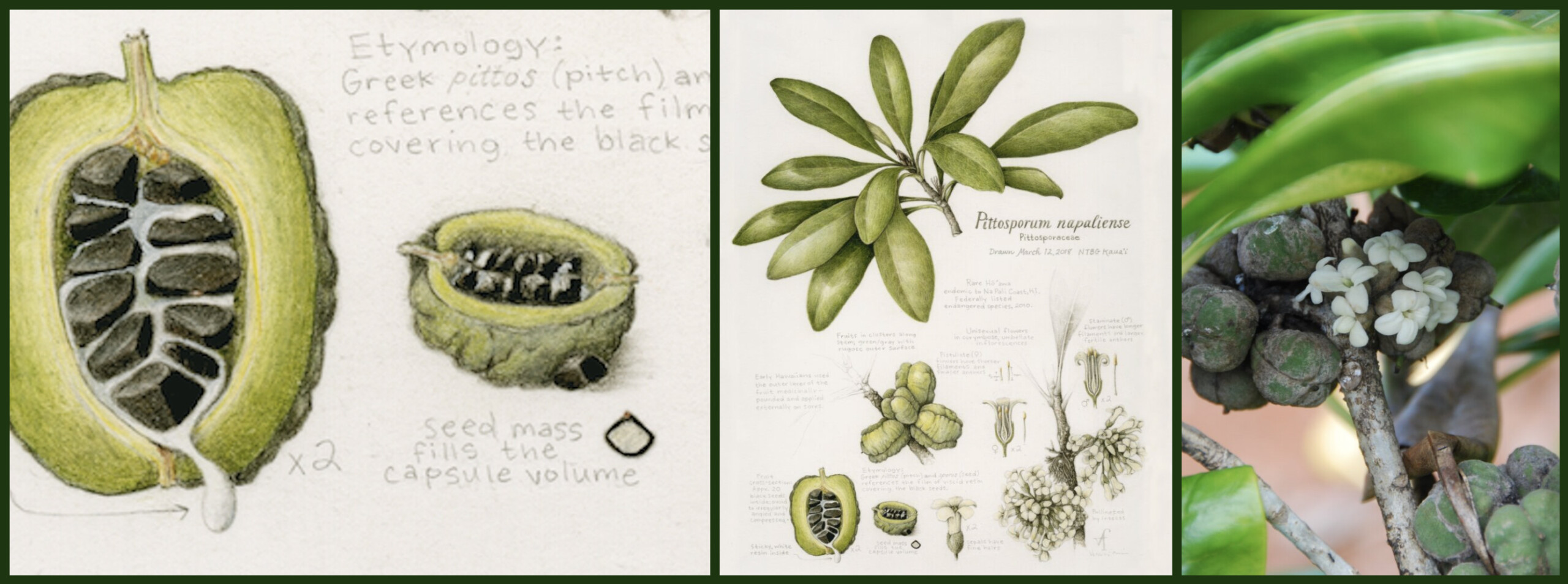
“Illustrators will often isolate parts of a plant which are interesting or diagnostic. Details are drawn up, and accompany a central image. The shape of a seedpod, adventitious roots, or a leaf margins can be included. With dexterity, a botanical illustrator can highlight these features. Including cross-sections of fruit, or sections of flowers is also a common practice. It clarifies matters for anyone trying to identify a plant. I don’t suggest photographers fail to do this. I just question if a photo of a cross-section of a flower can ever be as clear as a black and white line illustration.
If you wish to describe a plant fully, you can’t simply record its flowers, or its seeds. A full description requires information on leaves, flowering structures, buds, fruits, and seeds. Photographers can combine these elements into one image by stitching together photos taken at different times of year. I believe there’s a grace found in botanical illustrations which unites these elements on one sheet.” –Lizzie Harper, Natural History Illustrator
The Importance of Botanical Art Today
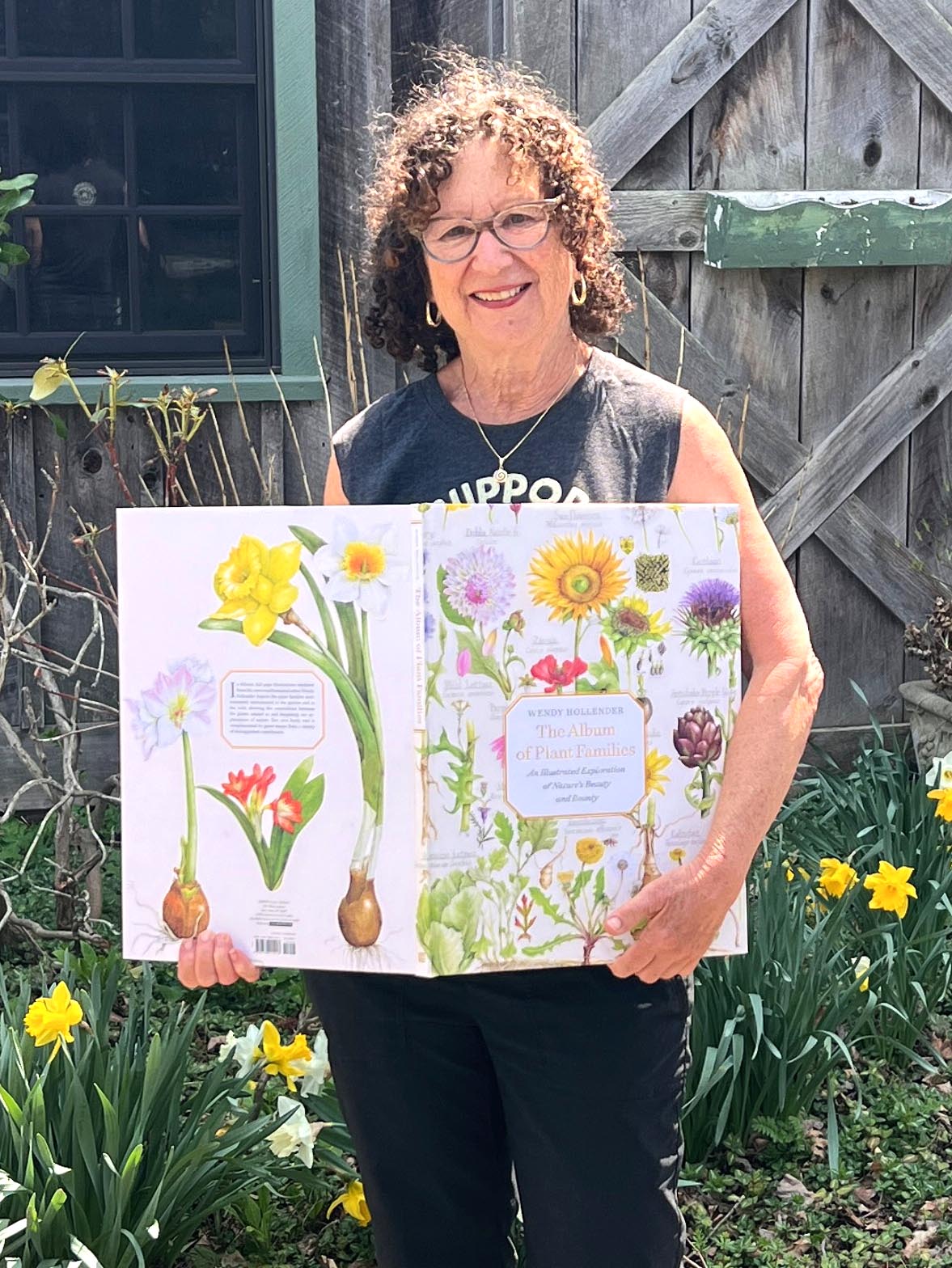
“As a botanical illustrator, I don’t simply copy how a plant looks but must explain plants through my drawing. Botanical illustrations must reveal a plant’s morphological structure such as the arrangement of reproductive parts, leaves, and stems with a three dimensional quality.” —Wendy Hollender, Botanical Illustrator, Instructor, and Author
In addition to benefitting the world at large, botanical art provides personal benefits for all who participate. Botanical art can be a meditative, spiritual practice and an effective tool for de-stressing. No matter your skill level, it’s important to brighten the world with your creations.
Click here for more motivation to keep drawing.
2026 Florilegium Art Show (Ends May 1)
Free and open to the public at the Lāwaʻi Gardens Visitor Center.
NTBG’s 5 reasons to add native species to your home garden now:
- They’re native! They are adapted to Hawaii’s varied ecosystem, from coastal shorelines to high elevation alpine conditions.
- They are rare. Even common ones are not common in the urban environment. Pritrchardias are native Hawaiian fan palms, yet nearly all fan palms you see in urban areas and neighborhoods are non-native species.
- They are interesting. Native plants in the home landscape can be a focal point for visitors to your garden. For example, Brighamia insignis (Alula) is thought to be extinct in the wild but still exists in horticulture because of conservation efforts and is a popular cultivated plant in Europe.
- They recreate ecosystems. If more people planted natives it would create a patchwork of native ecosystems that are mostly non-existent today.
- They preserve biodiversity. All native plants in your home garden preserve native biodiversity which is important for future conservation efforts and for protecting endangered species.
Check out more gardening tips from NTBG.
Many of these quotes came from NTBG’s The Science of Art – Why Botanical Illustration Matters, originally published in The Bulletin of the National Tropical Botanical Garden, Fall/Winter 2017
You don’t have to be an “Artist” to benefit from drawing plants. All you need is curiosity, some art supplies, and a willingness to practice and be patient. We aim to offer botanical art guidance that feels calm, doable, and fun! Click below to find your new favorite way to learn how to draw.